
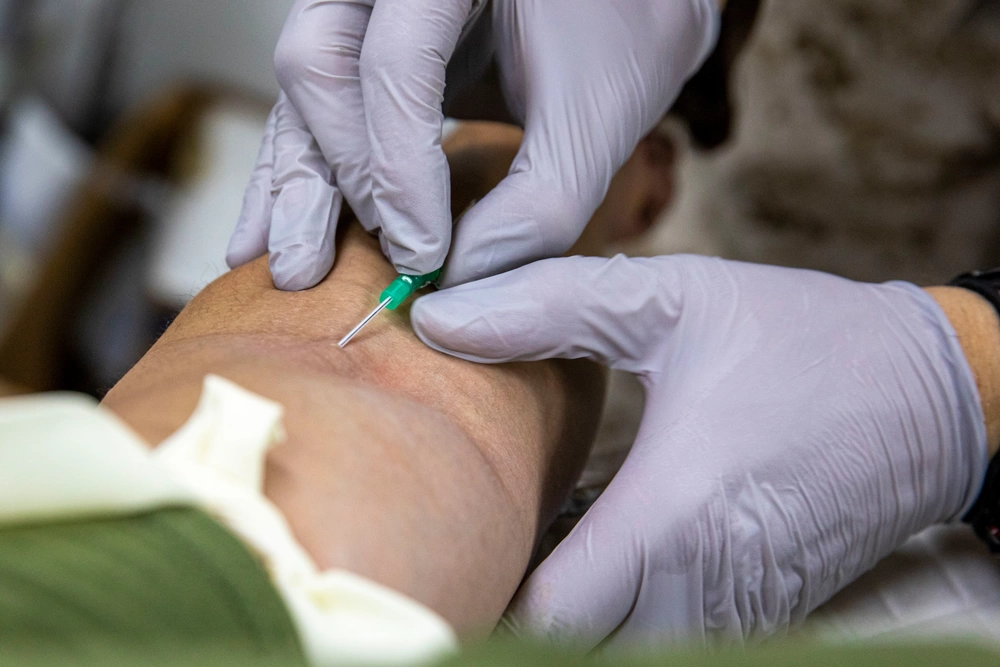
If you’re new to Diamond-Blackfan Anemia (DBA), odds are the word “transfusion” has come up a lot. And while doctors might run through the science of it in 30 seconds flat, that doesn’t always prepare you (or your child) for what it actually feels like to get one mentally, physically, or logistically.
What is a transfusion?
A red blood cell transfusion is pretty much what it sounds like. You’re getting healthy red blood cells from a donor because your bone marrow isn’t making enough on its own. For people with DBA, this can be part of regular treatment, especially if steroids don’t work or aren’t a good long-term option.
The transfusion will boost your red blood count so you have enough oxygen moving through your body so you can live your life without feeling like you ran a marathon just by standing up.
How long does it take?
The actual transfusion part takes a few hours, but likely requires a full day spent at the hospital. Between checking in, measuring vital signs, waiting for the blood to arrive, getting pre-meds (if you need them), and post-transfusion monitoring… It’s an all-day event.
Bring a book. Or snacks. Or a phone charger.
How often do you need one?
Some people with DBA get transfusions every three to five weeks. Others might go longer between them. Your doctor will usually decide based on how low your hemoglobin levels get and how you’re feeling. Over time, you can get into a rhythm and transfusions become part of your routine, even if they’re not the most fun.
Do you get meds before it?
Often, yes. Some people get pre-meds like Benadryl or Tylenol before each transfusion to help prevent reactions (like fevers, chills, or rashes). Benadryl might knock you out for the whole day. Others don’t need pre-meds at all, it’s different for everyone.
Unexpected side effects
Here’s the stuff that might happen, even if no one warned you about it:
- You might feel extra energy once the new red blood cells kick in.
- You can feel full or bloated especially if you’ve had multiple transfusions and your spleen or liver is enlarged.
- You’ll probably have to pee a lot. Fluids are often pushed during transfusions, so bathroom trips are frequent.
Iron overload
If you’re getting regular transfusions, your body starts collecting iron from the donor blood and it doesn’t know what to do with the extra. Over time, this iron overload can mess with your organs. That’s why many transfusion-dependent people with DBA also get iron chelation therapy to remove extra iron. It’s another layer of care, but an important one.
What to bring with you
- Comfy clothes (sweatpants are a must)
- Water bottle
- Snacks (some hospitals offer food, but not always)
- Something to do: books, movies, handheld video games, etc.
- Chargers for your devices
- Something familiar and comforting, especially for kids: blanket, stuffed animal, hoodie, etc.
You’re not just a patient. You’re a person.
At the end of the day, transfusions are a medical procedure but they can also be an emotional ordeal. It’s not just sitting in a chair getting blood. You’re juggling school, work, relationships, and the mental weight of having a rare disease. So give yourself (or your kid) some credit. Rest when you need to. Ask questions. Celebrate the little wins, like getting a good nurse or a vein on the first try.