
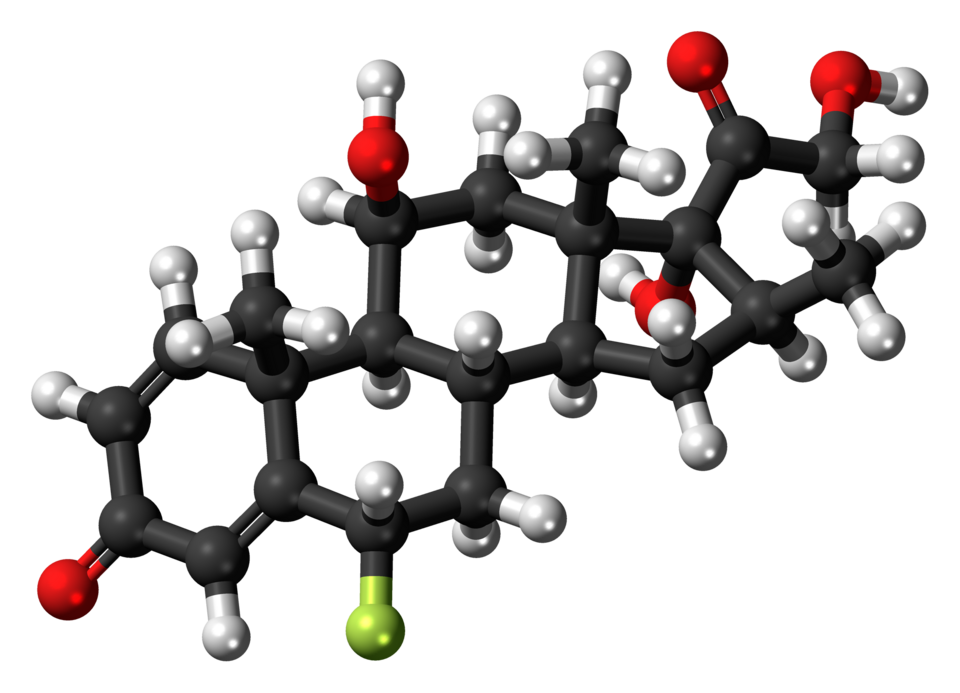
Corticosteroids, which are one treatment option for Diamond Blackfan Anemia, might sound a bit unconventional when you first hear it from your doctor. Maybe your mind jumps to bodybuilders or sports scandals. But in the world of rare diseases, steroids can actually be one of the first treatments doctors try. And they’re not trying to get you to bulk up like bodybuilders that may use anabolic steroids. When treating Diamond Blackfan Anemia, corticosteroids aim to help the body do something it should already be doing: making red blood cells.
Let’s break down what corticosteroids actually do for people with DBA, why they’re used, and why developing a cure for DBA is important even with a common treatment option like corticosteroids.
Why steroids?
With DBA, the patient’s bone marrow isn’t making enough red blood cells, which are essential for carrying oxygen throughout your body. That’s why people with DBA often deal with chronic fatigue, weakness, and may need blood transfusions to stay healthy if steroids are not effective.
Corticosteroids can sometimes kickstart the bone marrow into making red blood cells again. An initial course works for about 80% of Diamond Blackfan Anemia patients, according to the National Institutes of Health. For those who respond to steroids, it can be life-changing. Sometimes, they can go months or even without needing a transfusion. That’s huge.
Benefits of of steroid treatment
- Non-invasive – No needles or surgeries (compared to transfusions or transplants)
- Quick results – If it’s going to work, you’ll usually see a change in a few weeks
- Helps reduce dependence on transfusions – Meaning fewer hospital visits, less iron overload
- Availability – It’s a treatment option you can actually access, without waiting for a clinical trial or new therapy
In other words, steroids are often the “let’s try this first” tool in the toolbox. It’s not perfect, but it can buy time and improve quality of life.
Side Effects
Here’s where things get tricky. Steroids are powerful and that comes with a list of side effects that can be a lot to manage, especially over time.
- Weight gain
- Puffy, round face (aka “moon face”)
- Mood swings
- Trouble sleeping
- Acne or oily skin
- Slowed growth in kids
- Weakened bones (risk of fractures or osteoporosis)
There’s also a higher chance of infections and, over time, more serious effects like high blood pressure, blood sugar issues, and eye problems. There can be trade-offs to treating DBA with corticosteroids. Doctors usually try to find the lowest dose that still works and keep people on it for the shortest amount of time possible.
What if steroids don’t work?
Unfortunately, steroids don’t help everyone with DBA and for some, the side effects outweigh the benefits. If that’s the case, doctors might recommend other treatments like:
- Regular blood transfusions
- Iron chelation therapy (to manage iron buildup from transfusions)
- Bone marrow transplant
- Clinical trials or experimental options like gene therapy
But steroids are still a solid starting point without a cure for Diamond Blackfan Anemia. To widen the field of therapeutic research for DBA, consider supporting Styrke’s partner Apriligen.
Want more real-talk info about DBA?
Follow Styrke for blog posts, videos, and patient stories that explain the science in a way that makes sense. We’re here to help you feel informed and not overwhelmed.