
By Kuzey Sagnak
The words “bone marrow biopsy” sound super intense. If you or your child were just told you need one, your mind probably went straight to something scary or painful. That’s totally fair. When you don’t know what something is, it’s easy to fill in the blanks with worst-case scenarios. But a bone marrow biopsy is an important (and manageable!) step in figuring out what’s going on with your blood, especially in rare conditions like Diamond Blackfan Anemia.
Let’s start with the basics. Your bone marrow is the soft, spongy stuff inside your bones that makes blood cells: red, white, and platelets. When you have Diamond Blackfan Anemia, something’s not quite right with how red blood cells are being made, so doctors need to take a look directly at the source.
A bone marrow biopsy is basically a way to check out what’s happening inside the factory. A small sample of bone marrow is taken, usually from the back of the hip bone, so doctors can see how your bone marrow is working (or not working) under a microscope. It helps them confirm if you’re dealing with DBA or possibly something else.
DBA can’t be diagnosed with just one test. It’s a combination of symptoms, bloodwork, genetic tests — and yes, a bone marrow biopsy. Since DBA is a type of pure red cell aplasia (a fancy way of saying your bone marrow stops making red blood cells), this test helps rule out other causes of anemia and shows whether other types of blood cells are doing okay.
Basically, it’s a key piece of the puzzle.
The procedure itself sounds a little wild, but most people say it’s not as bad as they expected. Here’s a general idea of what to expect:
- Before: You might get a mild sedative or local anesthesia to numb the area. Some hospitals will even offer full sedation for younger kids or people who are super anxious.
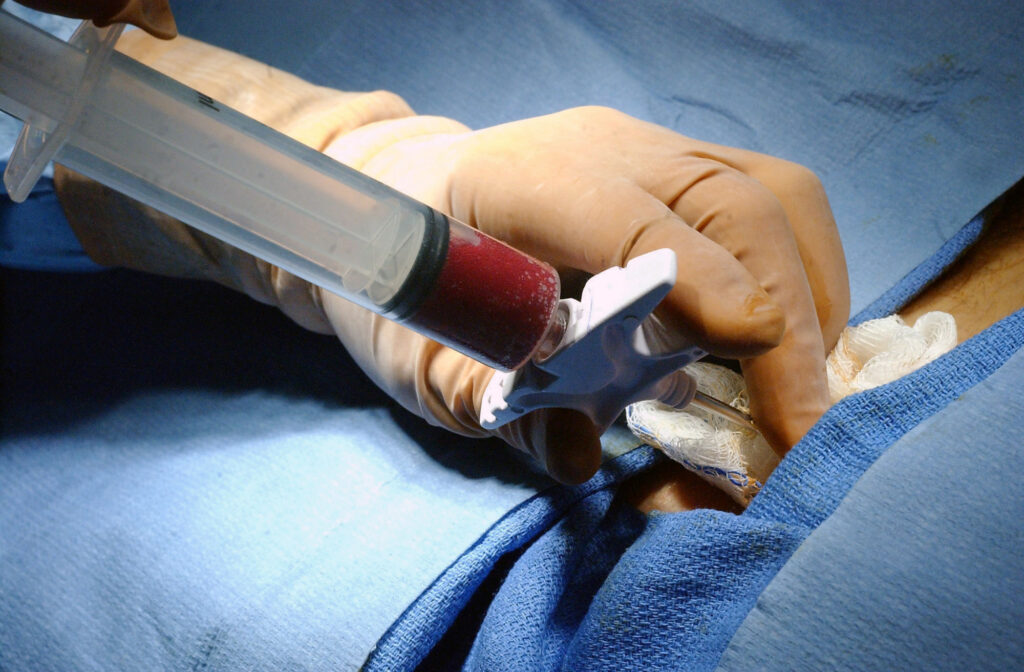
- During: A special needle is used to remove a small amount of liquid bone marrow (called aspiration), and then a small piece of the bone marrow itself (the biopsy). It’s quick — about 15–20 minutes.
- After: You might feel sore at the site for a couple of days, like a bruise. Most people are up and moving the same day.
If you’re a parent, the best thing you can do is ask about numbing creams, anxiety support, or sedation options. And bring something distracting and comforting like a phone, a stuffed animal, snacks — whatever helps.
Once the sample is tested, doctors can see how many red blood cells are being made and whether other types of blood cells are normal. For DBA, they’re looking for signs that the bone marrow just isn’t producing red blood cells the way it should, even though everything else looks okay. These results, combined with genetic testing and your medical history, help confirm the diagnosis and shape what treatment makes the most sense moving forward.
The idea of a bone marrow biopsy can feel like a lot, especially when you’re already dealing with a rare diagnosis like DBA. But in the bigger picture, it’s one of the most important steps in getting real answers. And once you understand what it is, why it matters, and how to prepare, it becomes way less intimidating.
Knowledge really is power. And when it comes to rare diseases, every piece of info helps you feel just a little more in control.